U.S. Cancels TPS for Haiti, Leaving Over Half a Million at Risk of Deportation
Learn the details about the cancellation of TPS for Haiti and what it means for Haitian migrants in the U.S.
Posted on 28/06/2025 at 02:10






Publicado el 28/06/2025 a las 02:10
- US Cancels TPS for Haiti
- Half a Million at Risk
- Deportations Expected Soon
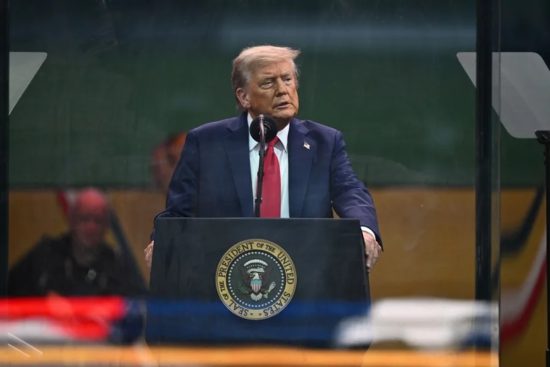
President Donald Trump’s administration announced on Friday the cancellation of Temporary Protected Status (TPS) for Haiti, a move that jeopardizes the future of more than half a million Haitian migrants who had been protected under this legal safeguard.
The Department of Homeland Security (DHS) issued a statement justifying the decision, arguing that conditions in Haiti “have improved sufficiently” for its citizens to return safely to their country of origin.
According to EFE, TPS is a mechanism that allows people from countries affected by natural disasters or armed conflicts to live and work temporarily in the United States, as long as certain conditions persist that make safe return impossible.
In Haiti’s case, approximately 521,000 people had received this protection following the devastating 2010 earthquake and ongoing political, social, and economic instability in the Caribbean nation.
Deadlines and Conditions for Departure

Former President Joe Biden’s administration had extended TPS for Haiti until 2026, in an effort to acknowledge the humanitarian situation and prevent the mass deportation of people who had already established their lives in the US.
However, DHS Secretary Kristin Noem ordered changes to that extension this past February, setting a new termination date of August 3, drastically shortening the window for immigration regularization.
YOU MAY ALSO BE INTERESTED IN: ICE Denies Paying Bounty Hunters to Detain Immigrants
The Trump administration has announced that it will grant an additional period until September 2 for beneficiaries to arrange their voluntary departure from the country, encouraging them to use digital tools made available.
“We encourage these individuals to take advantage of DHS resources to return to Haiti, which can be managed through the CBP Home app,” stated DHS in its official message.
Impact of the TPS Cancellation on Haitian Families
This announcement deals a heavy blow to Haitian families who, for years, have worked, studied, and contributed economically to the United States, relying on TPS as a humanitarian solution in the face of their country’s crises.
Immigrant rights organizations have reacted with outrage, stressing that Haiti remains a nation marked by violence, extreme poverty, and institutional fragility that endangers those forced to return.
Temporary Protected Status protects individuals who were physically present in the United States at the time of its designation, provided they have no criminal record and formally register with DHS, including the possibility of obtaining a work permit and authorization for emergency travel.
The measure comes just months after the U.S. Supreme Court allowed the Trump administration to end another key protection program, known as CHNV, which benefited migrants from Cuba, Haiti, Nicaragua, and Venezuela.
Criticism and Humanitarian Context
In Haiti’s specific case, TPS designation has been renewed multiple times over more than a decade due to disasters like the 2010 earthquake, devastating hurricanes, and a severe political crisis that included the assassination of President Jovenel Moïse in 2021.
Despite official rhetoric about supposed improvements, humanitarian organizations insist that Haiti remains mired in an unprecedented humanitarian crisis, with criminal gangs controlling large areas of the country and displacing thousands of people.
Ending TPS for Haitians also presents logistical challenges for the US immigration system, given the potential for mass deportations or a surge in asylum claims from individuals fearing return to a violent and unstable environment.
The decision aligns with a more restrictive immigration policy pursued by the Trump administration, which has prioritized stricter deportations and reduced legal pathways to remain in the country, creating tensions with civil rights organizations and Democratic lawmakers, according to DHS on its website.
 Related post